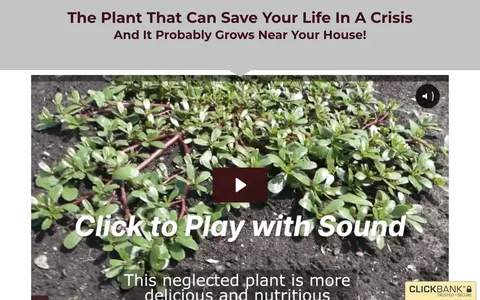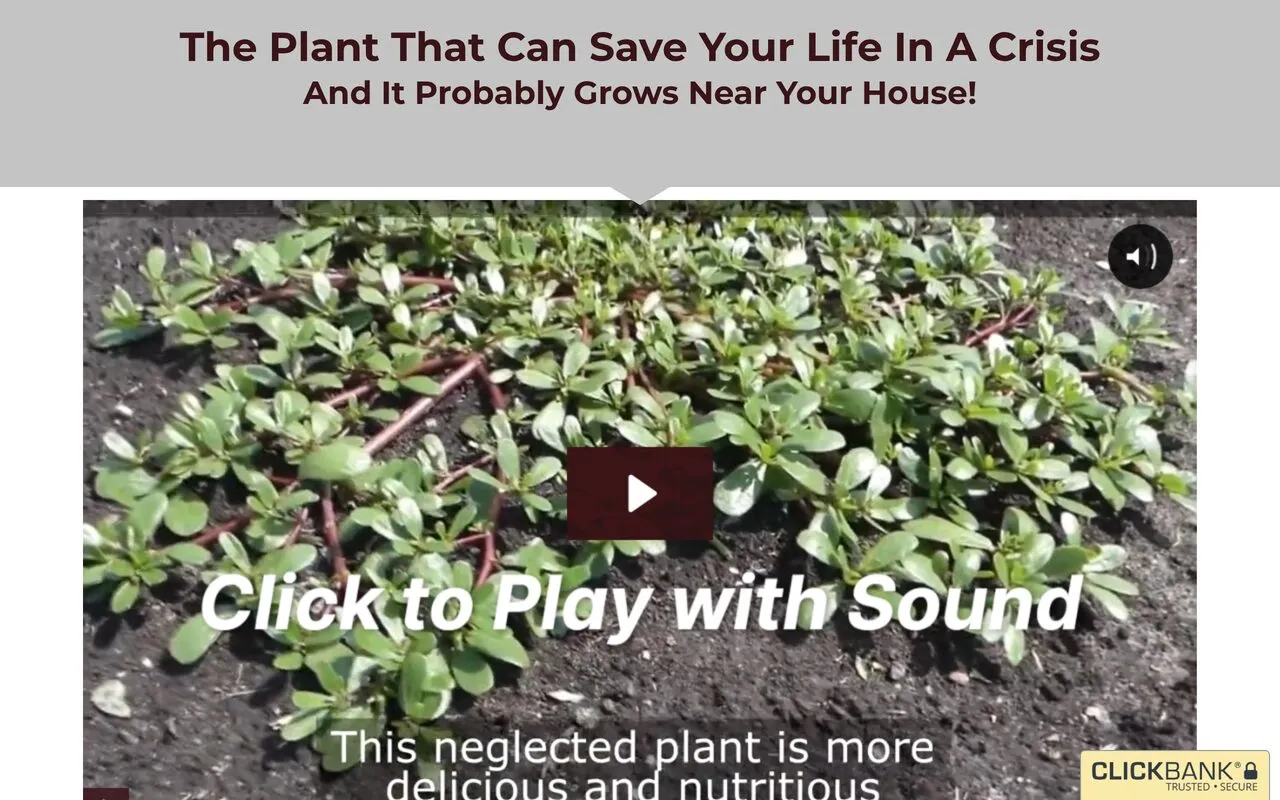
The The Forager's Guide to Wild Foods sales page, captured 2026-09-23
The Forager's Guide to Wild Foods review
A colour ID guide to 400+ wild edible plants, including what not to confuse them with
By the RJ Editorial Team. Sales page checked 2026-09-23. Last updated 2026-09-23.
Is it worth it?
Maybe you walked past the same patch of weeds for years and wondered if any of it was food. Maybe it's less casual than that: grocery prices, a storm that emptied the shelves for three days, a general feeling that you'd like to know how to feed yourself if things got thin. That's who ends up here. What this is, underneath the video, is a plant identification book. A thick one. The sales page leads with dramatic hooks (the plant that can save your life, the two forbidden berries), and those are advertising, not the book. The actual useful part is duller and better: hundreds of plants, big colour photos, close-ups of the bits that matter, and a lookalike section for each one. That last part is the real reason to buy an ID book rather than scrolling through search results, because with wild plants the dangerous mistake is confident misidentification. The medicinal side needs a flag. The page claims plants for each organ and tells the author's story of managing MS with natural remedies. That's her experience, offered without published evidence, and it isn't a reason to change anything you're doing with a doctor. Treat the remedy sections as folk tradition, which is interesting on its own terms. Day to day you'd use it on the shelf, not in the field: look something up when you get home, cross-check it, and only then eat it.
Pros
- Big colour photos plus close-ups of ID features
- A lookalike warning section for each plant
- State by state maps so you only learn local plants
- Written by someone with real field experience
Cons
- Health and remedy claims come with no published evidence behind them
- The page never says the price, or whether you get a printed book, a download, or both
- No book replaces careful checking, and a bad ID with plants can be serious
What you get
A colour reference book covering over 400 wild edible and medicinal plants found across the US. Each entry has large photos, close-ups of the identifying features, a distribution map showing where it grows, and a poisonous-lookalike section spelling out the differences. Plants with medicinal uses get instructions for turning them into remedies, plus notes on preparing wild food for eating.
Before you buy
- Confirm the format and, if it ships, what postage costs and how long it takes
- Find the refund window and how you actually claim it before paying
- It's built around US plants, so check that covers where you live
Who it suits
Beginners in the US who want a careful identification reference on the shelf, and anyone building a bit of food self-reliance.
Related products

Smart Water Box
A DIY build guide for people who want their own backup source of drinking water.
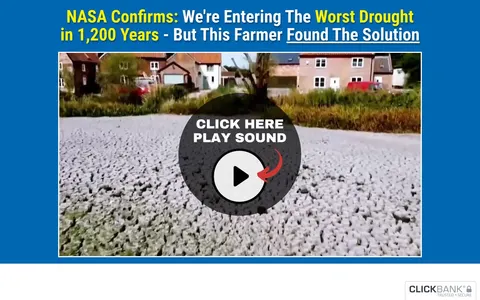
Water Freedom System
A build-it-yourself guide to pulling drinking water out of humid air as a backup supply

His Secret Obsession
A short book on reconnecting with a partner who has gone quiet or distant.
The Overnight Script for Negative Thoughts
A short bedtime script meant to break the loop of thoughts that keep you awake
Joseph's Well
DIY plans for setting up your own water supply, aimed at drought and dry-well worries.

David's Shield
A faith based take on preparing for an EMP or grid down, aimed at the worry as much as the gear.